



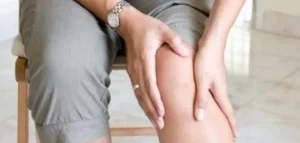
Overview
Knee Injuries
Once Dr. Nasef has consulted with you and determined that knee surgery is needed in order to repair a damaged or injured knee, he will discuss your options with you and make a recommendation on a surgical approach. Many factors will affect that decision including your injury and goals and his judgment and experience. Together, you will choose the ‘best’ procedure for you and your knee. Dr. Nasef specializes in a variety of minimally invasive and open-surgery procedures for the knee including surgical procedures to repair the anterior cruciate ligament (the ACL), the articular cartilage, the meniscus, scarring (arthrofibrosis), and arthritis.
Most people who injure their knee by way of rupturing or tearing a ligament can usually remember the exact situation that caused the injury and can recall the immediate sensation felt during the time the knee injury took place. Because the knee is so immensely vulnerable to injury, clinics and hospitals such as ours see an overwhelming amount of cases each year.Why is the knee such a common area for injury?The knee is the joint between the two longest bones of the body (the femur which is the bone of the thigh, and the tibia which is the bone of the lower leg). It is widely stated that the knee “carries the most weight” The knee is more prone to injury because the entire weight of the body is transferred through the knee to the foot. The knee contains bones, tendons, cartilage, ligaments and nerves that all lie under the kneecap (also knows as the patella). While there are 4 main ligaments located in the knee, injuries to the ACL (anterior cruciate ligament) are the most common knee injuries seen.The ACL is critical to knee stability, strength and mobility and is generally injured when the knee is sharply twisted or extended beyond its normal range of motion.People who injure their ACL often complain of the following symptoms:– A popping sound that comes from inside the knee
– A feeling that the knee is giving away
– Immediate, intense knee pain
– Immediate swelling, inflammation, redness and slight bruisingTrauma to the ACL is typically caused during an athletic activity (such as soccer or football) and is also commonly seen during outdoor play such as water and snow skiing and from common falls and accidents. Females are at a higher risk for experiencing an ACL injury-in fact-competitive female soccer and basketball players have 3-5 times higher risk of an ACL injury than their male counterparts. Strength, size and hormonal changes are notable factors.Not all ACL injuries will require surgical intervention. It depends on the grade of the ACL injury. Dr. Nasef will perform a Pivot Shift Test to pinpoint how much of the tibia moves in relation to the femur. Pain, swelling, and muscle spasms in the early stages of an ACL injury may make it difficult to determine how much instability is occurring.The ACL knee injury typically is diagnosed in ranges from mild to severe:
– Grade I – A Grade 1 ACL knee injury will include some moderate trauma to the ligament-meaning that some of the fibers are stretched leading to a sprain. There will be some pain and swelling, but this injury can heal on its own through rest, the use of ice and anti-inflammatory medications and therapeutic knee exercises.
– Grade II – A Grade 2 ACL knee injury will include some tears to the knee fibers. Symptoms will be more severe. This injury is commonly referred to as an ACL ‘partial tear’ and will sometimes require surgery.
– Grade III – A Grade 3 ACL knee injury is the most severe ACL injury and represents a complete tear whereas the fibers of the knee ligament are completely torn in half. Almost always, this particular ACL knee injury will require surgery to fix.Treatment :– Non-Surgical
If a person has injured their ACL and they do not experience knee instability nor have the need to use their ACL for sports or other daily activities, physical therapy may be enough to heal the injury. Dr. Nasef will look at how old the knee injury is, how old the patient is and the types of activities the patient enjoys.The common recommendation for immediate treatment of an ACL injury is the well-known rule of RICE:
R: Rest the knee by using crutches and keeping weight off of it
I: Ice the knee
C: Compress the knee with a wrap
E: Elevate the leg– Surgical
If more than one ligament in the knee has been torn, or, if the ACL tear is a full tear and there are signs of ongoing knee instability, pain and swelling, ACL surgery may be recommended. In most cases, if the individual is active and participating in sports with a pivoting nature (such as soccer, tennis, skiing or football) surgery will repair the injury so that the athlete can play his or her sport again. In these instances, ACL reconstructive surgery is the best option.An ACL reconstruction is a surgical procedure-almost always performed arthroscopically with one or two incisions-that involves removing fragments of the damaged ACL and replacing it with another form of soft tissue, called a graft. Dr. Nasef will usually prefer to use a patient’s own tissue for the graft. The patient’s own tissue heals faster and reduces other known risks. In patients who are older or who have had prior knee injuries and who may not have sufficient tissue for grafting, an allograft might be a better choice. An allograft uses tissue donated by an individual at the time of death.There are many types of devices used to secure the graft to the bone. Some examples are interference screws, screw/ washer, endobutton, and cross pins. Some are metallic and others are absorbed by the body over time. The type of graft procedure the surgeon chooses will determine the fixation technique.ACL reconstruction can either be performed in an out-patient setting, or as an in-patient procedure with an overnight hospital stay.
Does my knee giving way mean I must have an ACL tear?
Does the clicking sound in my knee mean I have a problem?
Treatments:
ACL reconstructive surgery is usually the best choice for repairing a damaged ACL. It is almost always performed arthroscopically and can be performed as an out-patient or in-patient procedure.
During ACL reconstruction, Dr. Nasef will use one or two tiny incisions and will insert an arthroscope to view the ligaments within the knee. The surgery will involve removing fragments of the damaged ACL and replacing it with another form of soft tissue, called a graft. There are two types of grafts used during arthroscopic ACL reconstruction surgery:
* An autogenous graft will use soft tissue from the patient
* An allograft will use soft tissue donated from an individual at the time of death
Dr. Nasef will usually prefer to use a patient’s own tissue for the graft. The patient’s own tissue typically heals faster and reduces other known risks (disease, rejection, etc.). These risks, however, are very minimal. In patients who are older or who have had prior knee injuries and who may not have sufficient tissue for grafting, an allograft might be a better choice.
In both grafting scenarios, a portion of the patellar tendon will be used to replace the ACL. This is the tendon of the quadriceps muscles that attaches the patella (the kneecap) to the tibia (the lower leg bone). This is a popular choice because the patellar tendon is a large, strong tendon and bone can be taken out at each end of the tendon easily. The bone ends are then attached to the femur and tibia, allowing for bone-to-bone healing.
There are other surgical options involving the graft. One involves strands taken from of the smaller hamstring tendons (the semitendinosus) and another involves using a portion of the quadriceps tendon taken from the quadriceps muscles. Dr. Nasef will evaluate each patient to determine the best grafting option to use.
There are many types of devices used to secure the graft to the bone. Some examples are screws, screw with a washer, and cross pins. Some are metallic and others are absorbed by the body over time. The type of graft procedure choosen will determine the fixation technique.
Seven years after surgery to repair a torn anterior cruciate ligament in the knee
Eight years after surgery to repair a torn anterior cruciate ligament (ACL) of the knee
After Surgery
Arthroscopic ACL knee surgery is often performed on an out-patient basis. Here are some things to remember about what to expect, as well as some helpful hints during the recovery process immediately following the procedure:
* After ACL reconstruction surgery, it is normal to have swelling and discomfort in the knee for several days following surgery. Apply ice bags or use the Cryocuff you were given to control swelling. Ice should be applied 20-30 minutes at a time, every hour or so. Be sure to protect your skin with a thin cloth. Icing is most important in the first 72 hours, although many people find that continuing it lessens their post-operative pain.
* If you had a nerve block during arthroscopic knee surgery, the local anesthetic may keep your leg numb for several hours. You will be given a prescription for pain medication when you are discharged from the hospital. If you find you do not tolerate it well, call our office and we will try another one.
* Keep the leg elevated. This will prevent swelling and help decrease pain. The leg must be elevated higher than the level of your heart.
* Perform very minimal post-knee surgery exercises until you begin physical therapy rehab. Pumping your ankles up and down is an example of what to do. This should be done several times an hour to keep the blood circulating in your leg and to help prevent blood clots from forming.
* Keep the post-op dressing clean and dry. Unless it becomes wet or too tight because of swelling, leave the bandages in place for at least 2 days, then remove them. Cover the small incisions with Band-Aids to keep them from snagging the sutures on clothes. You may shower then, but keep the incisions dry for the first 10-14 days. Do not wet your incisions directly (bathing or swimming) until at least 2 weeks post-op.
* The sutures are absorbable and do not need to be removed.
* Dr. Nasef would like to see you back in the office 10-14 days after surgery. If you don’t have your first post-op visit scheduled, call our office to make one.
* Start your arthroscopic knee surgery post-operative rehabilitation/physical therapy right away. Your physical therapy program is key to a successful outcome. It should be started the day after surgery. A separate prescription will outline the protocol. It often helps to call before surgery to make an appointment with your physical therapist.
* Be in the care of a responsible adult.
* Abstain from drinking alcoholic beverages and from smoking.
* You may eat a regular diet, if not nauseated. Drink plenty of non-alcoholic, non-caffeinated fluids.
* Plan to take a few days off work.
Rehabilitation after ACL knee surgery can be a lengthy process involving a limitation of activities, physical therapy and rest that will need to take place for a period of months. Specific rehabilitation will vary according to each patient’s needs and you must adhere to your own protocol as established by Dr. Nasef and your physical therapist. Please visit the ACL rehab manual on this website to learn more about the rehabilitation process following ACL reconstructive surgery.
The meniscus is a small “c” shaped structure within the knee that represents itself as a piece of cartilage acting as a cushion in the knee joint.
The meniscus sits between the thigh bone (femur) and the tibia (shin bone) acting as a shock absorber-one of these is located on the outside of the knee (the lateral meniscus) and the other on the inside of the knee (the medial meniscus). The medial meniscus bears up to 50% of the load applied to the inside compartment of the knee while the lateral meniscus absorbs up to 80% of the load on the outside compartment of the knee.
The meniscus plays an important role of a knee because it aids in joint stability, helps protect ligaments against force and it provides lubrication. Years ago, it was a common practice to remove damaged meniscus following a knee injury. This frequently led to arthritis and other degenerative conditions including a “bow-legged” or “knock-kneed” deformity. Today, the meniscus is usually always repaired if injured because orthopedic physicians agree that it plays a significant role in the overall health of the knee.
There are many variables a physician must look at when diagnosing a meniscus injury-including where the injury is located within the meniscus, the pattern of the tear, and how it was injured.
Does my knee giving way mean I must have an ACL tear?
– Location: The front portion of the meniscus is referred to as the anterior horn, the back portion is the posterior horn, and the middle section is the body. A posterior horn tear is the most common meniscus injury. In addition, the meniscus is also broken down into the outer, middle, and inner thirds. Tears in the outer 1/3 area have the best chance of healing because blood supply in this area is the strongest and helps aid in the healing process.
– Tear Pattern: Meniscus tears also come in many shapes including horizontal, longitudinal and radial. A complex tear will involve more than one pattern.
– Complete vs. Incomplete Tear: In addition, a meniscus tear will be classified as complete or incomplete. A tear is complete if it goes all the way through the meniscus and a piece of tissue becomes separated from the rest of the meniscus. If the tear is still partly attached to the body of the meniscus, it is considered incomplete. – Acute vs. Degenerative Meniscus Injuries: Meniscus injuries will be classified as acute or degenerative. If a person’s is bearing weight on his or her leg and the knee is bent, an acute meniscus injury will occur if the knee is forcefully twisted while in this state. Statistics show that about 61 of 100,000 people experience an acute tear of the meniscus. Degenerative tears of the meniscus are more common in older people. 60% of the population over the age of 65 probably has some sort of degenerative tear of the meniscus. These tears are most likely result from minor injuries involving regular or sporting activity. They eventually will weaken and become less elastic and may or may not present symptoms.
Symptoms :
Depending on the extent of the meniscus injury, pain will occur mild to severe. Most patients will experience swelling and a throbbing, sharp, knee pain. In addition, a click or popping sound will be heard. If the injury is small, symptoms will usually go away without treatment.
Treatment :
– Non-Surgical
Treatment for a meniscus knee injury will vary depending upon the extent and location of the meniscus tear. If the tear is small and the pain and other symptoms are minor, strengthening exercises and a small regime of physical therapy may be all that’s needed to recover. For a larger tear, surgery will most likely be required and recommended.
– Surgical
A large meniscus tear resulting from a longer or more traumatic injury, that causes painful symptoms and mechanical problems with the function of the knee joint may require arthroscopic surgery for repair.
In arthroscopic surgical repair for a meniscus tear, two tiny incisions will be made and a small camera inserted so the joint can be reviewed and the torn pieces of meniscus repaired and/or removed. The goal is to save as much of the original, normal meniscus cartilage as possible. During meniscus repair surgery, if the torn section of meniscus is removed, then it is known as a partial meniscectomy. If they can be repaired, then the torn edges are joined back together with suture or tacks.
After Surgery
Arthroscopic knee surgery is often performed on an out-patient basis. Here are some things to remember about what to expect, as well as some helpful hints during the recovery process immediately following the procedure:
* After meniscus surgery, it is normal to have swelling and discomfort in the knee for several days following surgery. Apply ice bags or use the Cryocuff you were given to control swelling. Ice should be applied 20-30 minutes at a time, every hour or so. Be sure to protect your skin with a thin cloth. Icing is most important in the first 72 hours, although many people find that continuing it lessens their post-operative pain.
* If you had a nerve block during arthroscopic knee surgery, the local anesthetic may keep your leg numb for several hours. You will be given a prescription for pain medication when you are discharged from the hospital. If you find you do not tolerate it well, call our office and we will try another one.
* Keep the leg elevated. This will prevent swelling and help decrease pain. The leg must be elevated higher than the level of your heart.
* Perform very minimal post-knee surgery exercises until you begin physical therapy rehab. Pumping your ankles up and down is an example of what to do. This should be done several times an hour to keep the blood circulating in your leg and to help prevent blood clots from forming.
* Keep the post-op dressing clean and dry. Unless it becomes wet or too tight because of swelling, leave the bandages in place for at least 2 days, then remove them. Cover the small incisions with Band-Aids to keep them from snagging the sutures on clothes. You may shower then, but keep the incisions dry for the first 10-14 days. Do not wet your incisions directly (bathing or swimming) until at least 2 weeks post-op.
* The sutures are absorbable and do not need to be removed.
* Dr. Nasef would like to see you back in the office 10-14 days after surgery. If you don’t have your first post-op visit scheduled, call our office to make one.
* Start your arthroscopic knee surgery post-operative rehabilitation/physical therapy right away. Your physical therapy program is key to a successful outcome. It should be started the day after surgery. A separate prescription will outline the protocol. It often helps to call before surgery to make an appointment with your physical therapist.
* Be in the care of a responsible adult.
* Abstain from drinking alcoholic beverages and from smoking.
* You may eat a regular diet, if not nauseated. Drink plenty of non-alcoholic, non-caffeinated fluids.
* Plan to take a few days off work.
Rehabilitation after knee surgery can be a lengthy process involving a limitation of activities, physical therapy and rest that will need to take place for a period of months. Specific rehabilitation will vary according to each patient’s needs and you must adhere to your own protocol as established by Dr. Nasef and your physical therapist.
A chondral knee injury is the result of articular cartilage damage within the knee. Articular cartilage is a specific connective tissue covering joint surfaces. Viewed by the naked eye, it has a glistening, white appearance. Microscopically, it is composed of water, collagen and a wide array of matrix proteins and lipids.
Articular cartilage has no nerve supplies and therefore does not cause pain or sensitivity when someone experiences a mild or early injury. It also cannot repair itself if damaged. Although symptoms of articular cartilage problems may not present themselves until later in life, they are very common.
Many factors play a role in chondral knee injuries including the patients age when the degeneration starts, the patients activity level and weight and the overall presence of ligament damage. Although cartilage damage may be in place for years, it sometimes takes a sudden injury to presetnt symptoms. If no sudden inijury occurs, osteoarthritis will result after many years of wear and tear and bone-on-bone rubbing. This will, in fact, cause a myriad of symtptoms for the patient.
Chondral damage is graded from mild to severe, and all grades can have characteristics of osteoarthritis.
* Grade 0: normal cartilage
* Grade I: In this early stage, cartilage starts to become soft with swelling
* Grade II: This stage will present a partial-thickness defect with fibrillation (shredded appearance) or fissures on the surface that do not reach the bone or exceed 1.5 cm in diameter.
* Grade III: This stage presents an increased amount of fibrillation and fissuring to the level of subchondral bone in an area with a diameter more than 1.5 cm. Patients will often complain about noise as the knee bends and soreness or trouble standing from a squatted position.
* Grade IV: This phase will present an exposed subchondral bone-meaning, the cartilage may wear away completely. When the involved areas are large, pain usually becomes more severe, causing a limitation in activity.
Symptoms :
The symptoms of a chondral injury resulting from articular cartilage damage will not present themselves as prominently as a torn ACL or meniscus tear. Similar to other arthritic conditions, the symptoms start mild and continue to progress as time goes on.
Symptoms with articular knee cartilage-once they do begin to appear-include:
– Intermittent swelling (often the only symptom)
– Pain associated with prolonged walking or stair climbing
– Buckling or giving way when full weight is placed on the knee
– Locking or catching
– The knee may make noise during motion
Diagnosing a chondral injury can be difficult. Many times, a swollen knee will show a normal exam. Imaging using an X-ray, MRI or via an arthroscopic examination can help determine if cartilage loss is occurring thus leaving a decrease in space between the bone surfaces.
Treatment :
– Non-Surgical
Articular cartilage degeneration is often treated without surgery. Dr. Nasef will recommend weight loss, exercises to strengthen the muscles around the joint, supplements and possibly injections of hyaluronic acid to improve joint lubrication and reduce friction. There are medications that can be prescribed to help treat symptoms associated with chondral injuries. However, since new growth of cartilage is not a possibility, medication will not cure the condition, but simply allow the patient to live pain-free or more active than before. Further treatment would require a surgical procedure.
– Surgical
Over the past decade, there have been big strides and exciting advancements in the surgical treatment of articular cartilage defects. The most commonly performed procedures for treating chondral defects are Shaving and Microfracture.
Shaving (or Debridement)
This arthroscopic surgery technique that uses special arthroscopic instruments to smooth the shredded or frayed articular cartilage. Ideally, this treatment will decrease friction and irritation, reducing the symptoms of swelling, noise, and pain.
Microfracture (or Abrasion)
This arthroscopic technique encourages the growth of new cartilage into the defect. This is a well-accepted technique that is a common procedure for patients with damage through the full thickness of articular cartilage (all the way to the bone).
Mosaicplasty (or Osteochondral Plug)
This arthroscopic technique involves the removal of the degenerated part from the joint, both the cartilage and the underlying damaged bone; then transplanting a new part with both cartilage and bone to be placed in the formed defect. It is done press-fit, and the transplanted part is harvested from a non-weight bearing part of the knee. This is a well-accepted technique that is a common procedure for patients with damage through the full thickness of articular cartilage (all the way to the bone) especially if it is well-defined and surrounded by healthy cartilage.
Does the clicking sound in my knee mean I have a problem?
The knee is one of the most used and complex joints in the human body. It is most definitely susceptible to a wide variety of injuries and symptoms. Patellofemoral pain syndrome is a common knee disorder that most often affects runners and athletes involved in jumping activities. It also strikes the senior athlete whose bones and ligaments have become weaker through sporting injuries and wear and tear over a long period of time.
Structural alignment, muscular weakness in the knee, imbalance, overuse, muscular tightness and “flat feet” are such causes of patellofemoral pain. In the case of muscular weakness, this may cause the kneecap (known as the patella) to place itself improperly on the thigh bone (known as the femur). All of these knee conditions lead to pain around the kneecap. This pain tends to worsen with activity (such as going down stairs) and it may also create pain in the kneecap during lull periods of inactivity. This intense, dull, aching knee pain may occur in one or both knees.
Other terms for patellofemoral pain are: retropatellar pain, peripatellar pain, anterior knee pain, and “runner’s knee”
Different disorders that cause pain around the kneecap include:
– Infrapatellar tendonitis: this is known as “jumpers” knee and affects the tendon just below the kneecap
– Chondromalacia patella: This affects the tendon attachment just above the patella and involves damage to the cartilage surface of the patellaquadriceps tendonitis
– Plica syndrome: This occurs when tissues within the knee joint become inflamed and/or stiff, causing pain and tightness in the joint
Does my knee giving way mean I must have an ACL tear?
Symptoms :
Symptoms of patellofemoral pain syndrome or an intense, dull, aching pain, in and around the kneecap. Running down stairs, squatting, sitting for a long period of time with the knees bent and then standing will all cause the generalized dull kneecap pain caused by this condition. Swelling of the knee may exist and a crackling noise coming from the knee may also occur during movement.
Treatment :
– Non-Surgical
Despite all of the variables that might cause the pain surrounding patellofemoral pain syndrome, there are some things patients can do to ease the symptoms. Here are some recommendations:
– Get plenty of rest
– Consider turning to non-impact exercise, such as swimming, to continue on a fitness regime, yet allowing your knee(s) to heal
– Wear high quality, shock-absorbed running shoes
– Icing the knees after use
– Taking anti-inflammatory pain medication for swelling and pain relief
– Adhere to a physical therapy regime specifically designed to treat Patellofemoral Pain Syndrome
– Surgical
When conservative treatment and therapy has failed to relieve and alleviate symptoms, surgery can be considered as a last resort. Dr. Nasef will perform arthroscopic surgery to examine and treat the inside of the knee joint. During the procedure, rough or frayed spots in the cartilage will be shaved and smoothed and plica can be trimmed. The patella may also be realigned. Arthroscopic knee surgery is performed on an out-patient basis.
Mosaicplasty (or Osteochondral Plug)
This arthroscopic technique involves the removal of the degenerated part from the joint, both the cartilage and the underlying damaged bone; then transplanting a new part with both cartilage and bone to be placed in the formed defect. It is done press-fit, and the transplanted part is harvested from a non-weight bearing part of the knee. This is a well-accepted technique that is a common procedure for patients with damage through the full thickness of articular cartilage (all the way to the bone) especially if it is well-defined and surrounded by healthy cartilage.
Disclaimer
The information provided on this website is for informational purposes only. It is not intended to replace or supplement an accurate diagnosis by your treating physician. The website and its owner assume no responsibility for any unauthorized use of the information provided through this content.
We strongly urge you to consult your physician before making any decisions or undertaking any treatment described on this website.