


Overview
Shoulder Injuries
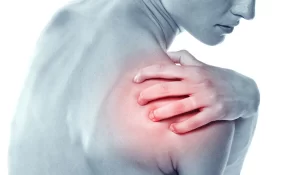
The shoulder offers the largest range of motion of any joint in the human body. If your shoulder stops functioning normally, it can prevent you from participating in overhead sports or work and, when more severe, can affect even normal activities such as combing your hair, putting on your shirt, turning on a light switch, or sleeping.
There are a number of different medical conditions that can affect the shoulder and cause debilitating pain, loss of function, or both. Dr. Nasef has world-class experience in diagnosing and treating all of the conditions and disorders that can affect the shoulder. We implement the latest techniques in diagnosis, including careful physical examinations and high-field strength MRI scans, to help insure we make the correct diagnosis.
For some types of shoulder problems, simple treatment options such as rest or physical therapy may be all that are needed to cure them. For other types of shoulder problems, more complex surgical solutions may be required. When surgery is recommended, you can depend on Dr. Nasef to offer the best surgical approach, performed with the highest levels of skill and with the least invasive methods that are currently available.
AC Joint Injury :
If you place your finger at the top of your shoulder, you will feel a prominent “bump.” This bump is called an AC (acromioclavicular) joint. The AC joint is held together by ligaments and has cartilage (also referred to as meniscus) that is located inside the joint and covering the ends of the bones.
Injuries of the AC joint are quite common. They can result from a hard fall or from a traumatic event. An AC joint injury can result in a severe shoulder sprain or a shoulder separation, which occurs when the collarbone (the clavicle) separates from the shoulder blade (the acromion). These are also referred to as dislocations. An AC joint injury is measured in varying grades. For example, a Grade I injury will bring mild shoulder pain because the AC joints are simply stretched. A higher grade injury will represent itself in a partial shoulder ligament tear or a full shoulder ligament tear, or a shoulder separation.
Symptoms
Symptoms of an injured AC joint will range from mild tenderness and swelling resulting from a shoulder sprain to intense, sharp shoulder pain that is the cause of a complete shoulder separation. In a higher grade shoulder injury, a popping sensation will often be heard and prominent shoulder bruising will take place on the skin.
Treatment Options
Treatment for a lower grade AC joint injury will usually consist of plenty of rest followed by the possible use of pain medications and a shoulder sling.
For more advanced AC joint shoulder injuries, shoulder instability and frequent separations and dislocations can occur on a daily basis. This condition causes men and women to lose time at work and the activities they enjoy, creates anxiety about when the instability will next occur and can lead to early arthritis or permanent damage to the shoulder joint if left untreated. In these more advanced cases, surgery will be required. There are numerous AC joint shoulder surgery techniques offered by us :
Arthroscopic Surgery
The arthroscopic AC repair procedure is a minimally-invasive surgery performed when three small incisions are made so that the clavicle which is the joint that has been separated can be fixed back into its proper position. Surgery involving arthroscopic AC repair is performed on an outpatient-basis and full range of motion is quickly re-established within days of the procedure.
Arthroscopic Stabilization Surgery for Shoulder Separations
Arthroscopic stabilization for shoulder dislocations often referred to as open shoulder (traditional) surgery is considered when the episodes of instability are occurring frequently, prohibit the individual from performing overhead activities or partake in sports, and interferes with normal daily routines. Once all other therapies have been exhausted, arthroscopic stabilization surgery is often the next step. Arthroscopic stabilization surgery is a partnership between the doctor and patient. The results of the surgery are most effective when a post-operative rehabilitation program involving physical therapy and shoulder exercises are implemented
Dislocated Shoulder and Shoulder Instability
Shoulder instability is condition that occurs when the muscles, tendons, bones, and ligaments that surround the shoulder do not work together to secure and maintain the ball (proximal humerus bone) within the socket (glenoid). When this happens, the shoulder is said to be unstable and the joint may either slide partially out of place which is known as a shoulder subluxation or it may slide completely out of place, which is called a shoulder dislocation.
When athletes suffer a blow directly to the shoulder, or when someone suffers trauma to the shoulder area either from a fall or an accident, shoulder instability can result. Instability can be a frustrating condition afflicting the patient until the condition is properly diagnosed and treated. Patients with shoulder instability will often complain about an uncomfortable sensation that their shoulder is about to “pop” or “slide” out of place. Sometimes it is more subtle however and pain may be the only manifestation of the condition. This condition usually affects the following distinct groups of patients:
– Patients who have had prior shoulder dislocations: Those patients who have had prior shoulder dislocations will often experience future dislocations, or recurrent instability. Age does play a crucial role in recurrent dislocations. When younger patients (35 years of age or younger) sustain a traumatic dislocation (from an injury), shoulder instability will follow in the vast majority of patients. In very young patients, those less than 20, the risk of suffering a second dislocation is almost 100 percent! On the other hand, older people (40 years of age and older) who experiences a traumatic dislocation will only have a 10% chance of developing chronic instability in future years, but they have an increasing risk of tearing the rotator cuff when the shoulder dislocates and that injury in of itself may need treatment.
– Athletes: Athletes who participate in overhead activities such as basketball, swimming, gymnastics, and tennis may have continuing symptoms of a loose shoulder or experience multidirectional instability (slipping or dislocating in more than one direction). This is a condition that develops from loose ligaments and a stretched shoulder capsule. While a complete dislocation may not occur, it causes pain, weakness, and diminished function such that it may prevent athletes from playing their sports.
– Genetic causes: Some patients are born with double-joints or have connective tissue disorders that may lead to loose shoulder joints. This can lead to shoulder instability and dislocations.
Recurrent Shoulder Dislocation:
First time Shoulder Dislocation
Symptoms :
The symptoms associated with shoulder instability and shoulder dislocations include:
– Extreme pain in the shoulder region
– Apprehension (fear that the shoulder will come out)
– Restricted motion
– Popping or a sliding sensation
– Unusual shoulder position-for example, the shoulder may hang down and forward and appear “limp”
When a shoulder dislocation occurs, some individuals are experienced and might be able to “pop” their shoulder back into place (called a reduction). This is a very painful situation to be in and many times, to return the dislocated arm back to its socket, a visit to the ER will be required.
Once a shoulder reduction has been performed, Dr. Nasef will be able to determine the exact cause and root of the shoulder instability and the risk of recurrent dislocations with his physical examination and routine X-rays. Some times the X-ray might show a “bony Bankart” which is a fracture of the front, lower portion of the shoulder socket that occurs after a dislocation. This fracture-which is the most common cause of recurrent instability for young adults after an injury-indicates that the ligaments in the front of the shoulder are no longer attached to the glenoid. Another common finding is a Hill Sachs fracture, which is an indentation or impression fracture on the ball of the upper arm (proximal humerus) that occurs when it impacts the socket during the dislocation. These findings are frequently only part of the problem and additional tests such as an MRI are usually required to fully determine the extent of the damage.
Treatment :
– Non-Surgical
Often times, patients who suffer from shoulder instability and shoulder dislocations can begin a structured shoulder physical therapy rehabilitation program using exercises to help strengthen the shoulder joint. Physical therapy with ongoing strengthening moves will often help maintain the shoulder in proper position. Athletes typically benefit the most from physical therapy for shoulder instability. Cortisone injections and anti-inflammatory medications are also used to help treat the condition and minimize pain.
– Surgical
There are surgical options for shoulder instability if therapy is not an option, or if it fails. Depending on the cause of the instability, arthroscopic surgery is the most preferred option.
Bankart-Capsulolabral Reconstruction
A Bankart-type capsulolabral repair surgery is the most common surgery performed on patients with chronic instability who opt to have surgery. This procedure can be as an open procedure but Dr. Nasef usually performs it arthroscopically (which is the preferred method). This is among the most frequent type of surgery that Dr. Nasef performs. If the shoulder instability is chronic and is in the setting of ‘end-stage’ instability, then there are options such as bone grafting procedures and soft tissue grafting procedures which can be used to restore stability to the shoulder joint. Capsulolabral reconstruction is one technique that Dr. Nasef has helped develop. This is a technique in which a transplanted tendon (from another part of the body or from a cadaver) is used to make new ligaments (capsule) and cartilage (labrum), which then act to prevent dislocation and stabilize the chronically unstable shoulder.
Labral and Slap Tears
When the labrum, which is an important type of cartilage that surrounds the glenoid (the socket of the shoulder), is injured or torn, it is referred to as a labral tear. While the glenoid itself has a moderately flat surface, the labrum’s contour deepens the socket and gives the glenoid a concave shape, enhancing stability of the shoulder. The solid, firm, yet flexible fit of the humerus (the bone that extends from the shoulder to the elbow) within the glenoid permits the immense range motion that a healthy shoulder is able to exhibit.
A labral tear, which is quite common, is usually caused from falls when the arm is stretched out or from repetitive work or sports activities (throwing, swimming, overhead lifting). A SLAP tear (Superior Labrum Anterior to Poterior) is a special type of tear in the labrum that occurs at upper part of the labrum where the long head o the biceps tendon attaches to the glenoid. These types of injuries are particularly common on athletes who participate in overhead sports. Such as tennis or baseball. An injury in this area can be extremely painful, and in severe cases can even cause the biceps tendon to rupture.
When evaluating an individual who is suspected to have either a labral tear or a SLAP tear, it is important to determine if the labral tear is associated with any type of pre-existing instability to the shoulder. If instability is involved, then some type of shoulder stabilization procedure will need to take place first. X-rays will rule out any precursors or underlying problems that might exist such as an impingement or a fracture. If instability is not an issue or at the root of the problem, surgery can be directed to the labral tear itself.
Symptoms :
The primary symptom of a labral tear is pain in the area of the injury-most commonly-at the back on top of the shoulder or deep inside the shoulder. The pain usually is intense and may be associated with mechanical symptoms such as clicking or catching. Shoulder stiffness can also be a sign of or associated with a labral tear. In throwers, there is a specific type of tightness of the posterior capsule called GIRD (glenohumeral internal rotation deficit) that may also need treatment. Labral tears involving the bicep tendon anchor (SLAP tears) can make using the biceps painful such that even performing small activities such as using a screwdriver can be painful or difficult.
Treatment :
Much can be done to help individuals who suffer from labral or SLAP tears and the first approach usually consists of icing, physical therapy exercises, anti-inflammatory medications and rest. Some labral tears can become asymptomatic (painless) and therefore may not need further treatment.
Recurrent Shoulder Dislocation:
First time Shoulder Dislocation
If the conservative approach to managing these tears is not effective, surgery may be required to repair or remove the torn part of the labrum. These are almost exclusively treated with arthroscopic surgery. Arthroscopic shoulder surgery is the standard treatment for most labral injuries, even those associated with instability, GIRD, rotator cuff tears, or biceps problems. The majority of these can be treated with simple debridement (removal of abnormal, damaged, or excess tissue) although sometimes detachment and repair of the biceps tendon (biceps tenodesis) is the preferred method of treatment. Dr Nasef has performed several hundred of these procedures.
In certain painful and unstable SLAP tears, in which the bicep anchor is detached, the labrum will need to be repaired (labral or SLAP repair). This requires meticulous surgery so as not to create too much stiffness in the shoulder. Sutures and anchors are used to firmly re-attach the labrum to the bone of the glenoid. Rehabilitation after surgery is critical and most people can resume full activities by 3 months, although overhead sports may take a bit longer.
Arthritis of the Shoulder
Shoulder arthritis is a common source of chronic shoulder pain and shoulder disability that affects more than 20% of the older population. There are 2 distinct joints in the shoulder area that can be affected by arthritis-the AC joint (acromioclavicular), which is where the collarbone (clavicle) meets the tip of the shoulder bone; and the glenohumeral joint where the upper arm bone (humerus) meets the shoulder blade (scapula). Damage to the cartilage surfaces is usually the primary cause of shoulder arthritis.
Major Types of Shoulder Arthritis:
– Osteoarthritis: This degenerative shoulder condition is commonly referred to as “wear-and-tear” arthritis because the smooth outer coverage (articular cartilage) is essentially destroyed. Osteoarthritis usually affects people over 50 years of age and is very common in the AC shoulder joint (although it is not always symptomatic) and fairly common in the glenohumeral joint.
– Rheumatoid Arthritis: This arthritis can affect a person of any age and usually affects multiple joints on both sides of the body. For example, in addition to affecting the shoulder, the knee and ankle might also show signs and symptoms of rheumatoid arthritis. Rheumatoid arthritis is an autoimmune, inflammatory condition of the joint lining.
– Post-Taumatic Arthritis: Post-traumatic arthritis is a form of osteoarthritis that develops after an injury, such as a fracture or dislocation of the shoulder. This type of arthritis can also develop in the glenohumeral joint after a chronic rotator cuff tear.
Symptoms :
The most common symptom associated with arthritis of the shoulder is pain. Arthritis-related shoulder pain can range from instances of long, mild pain, to periods of intense, sharp shoulder pain. The pain is almost always intensified and aggravated by activity and progressively worsens.
Depending on what joint is affected by arthritis, the pain may be felt in the center of the back of the shoulder (if the glenohumeral shoulder joint is affected), whereas pain will typically be focused on the top or front of the shoulder if the arthritis is in the AC joint. Patients with rheumatoid arthritis will have pain in both areas and a change in weather will usually intensify the discomfort.
Limited range of motion or stiffness and difficulty lifting, reaching or stretching the arm can also be symptoms of shoulder arthritis. Mechanical symptoms such as clicking, snapping, or popping can also be present. As the disease progresses, any movement of the shoulder causes pain. Night pain is common and sleeping may be difficult.
Treatment :
– Non-Surgical
There are many treatment options for shoulder arthritis. Many patients can live with the symptoms for years and will only need to take pain medications such as anti-inflammatory drugs and receive cortisone shots to help relieve shoulder arthritis symptoms. Physical therapy exercises also help to preserve motion and strength. For others who experience chronic shoulder arthritis symptoms and whose shoulder arthritis continues to worsen, surgery is available.
– Surgical
Treatment decisions are based upon the cause, the intensity of the symptoms, and the severity of the patient’s disease. Each year, over 25,000 shoulder replacement surgeries are performed in the United States to relieve pain and improve function for shoulders that are severely damaged by glenohumeral arthritis.
Arthritis in the very early stages can be controlled and treated with arthroscopic techniques. During this procedure, Dr. Nasef will trim out the inflamed synovial lining tissue and remove pieces and fragments of degenerated cartilage. Arthroscopic treatment for shoulder arthritis will not cure the arthritic condition, but it will prolong more drastic measures and relieve many of the symptoms for a while.
When the arthritis is end-stage or in other instances where the joint can no longer be salvaged, joint replacement surgery may be the best option. Joint replacements, also known as total shoulders, have been around for many years and Dr. Nasef has performed several of these procedures. Shoulder replacement surgeries are among Dr. Nasef favorite procedures to perform because the results are so predictable and the pain relief is so complete. Shoulder replacement surgery is highly effective at eliminating pain and restoring function so that patients can return to activities of daily living and sports such as skiing, tennis, and golf. During these procedures, the joint surfaces are surgically replaced through an incision in the front of the shoulder, and a metal ball and plastic socket are inserted to resurface the damaged joint surfaces. Only one muscle is split during the procedure. Full recovery with return to unrestricted activities can be expected by 3 to 4 months.
Before a treatment plan can be put into place, Dr. Nasef will need to examine your shoulder and review various imaging studies such as X-ray’s and MRI’s to determine the cause of the shoulder arthritis and the stage it is so he can discuss the various treatment options with you and help develop the best course of treatment given your particular circumstances and goals.
Fractures of the Shoulder Area
A fracture occurs when there is a “break” or a “crack” in the bone. Within the shoulder area, there are 3 distinct bones that could suffer a fracture: the collarbone (clavicle), the upper arm bone (proximal humerus) and the shoulder blade (scapula). A shoulder fracture typically occurs through a sudden, force to the arm such as a hard fall, a blow made during impact through a sport, falling down, or in high-energy situations such as a car accident.
Symptoms :
A shoulder fracture can be extremely painful to the person suffering from the injury. Some common symptoms associated with a shoulder fracture, a fractured collarbone or a break made to the arm, include:
– Intense shoulder pain
– Swelling of the shoulder area
– Tenderness in the shoulder area
– A bump or disfigurement under the skin at the site of the break
– Bruising or discoloration around the break
– Cracking or mechanical symptoms from the bone edges rubbing on one another
– Inability to move the shoulder or arm without pain
Treatment :
There are specific treatment recommendations for each type of shoulder fracture. Clavicle and proximal humerus fractures are frequently treated surgically in active patients when there is significant displacement (separation) of the bone ends. Non-surgical and arthroscopic surgical options are always discussed to make sure the injured bone heals properly. Those are outlined below.
– Collarbone Fractures
The clavicle-or collarbone-is the bone on top of one’s chest on both sides at the front of both shoulders. The clavicle is very easy to feel as it represents itself as a prominent bony connection between the shoulder and the body itself. Because the clavicle is located directly under the skin in an area with little soft tissue coverage, fractures to the area not only produce intense shoulder pain but they are also cosmetically obvious to the naked eye. Fractures within the collarbone are among the most common fractures of the shoulder area. Treatment of a collarbone fracture typically does involve surgery when there is significant separation of the bone ends or shortening (overlap) of the bone ends. Surgical treatment is performed with a small pin or plate, depending on the configuration of the fracture fragments, that hold the bone in place until it heals solidly (usually 6 weeks or so). Surgery not only insures that the bone heals in proper alignment but it also results in a better long term functional outcome for the arm, decreases pain in the immediate period around the fracture, allows earlier resumption of everyday activities, in some instances allows earlier return to sport, and decreases the risk of a malunion (healed in the wrong position) which frequently have a cosmetically displeasing bump. In some instances, there can be late complications that may need surgical treatment such as when the bone has healed incorrectly or when it has failed to heal. Dr. Nasef has done extensive research on this topic and has extensive experience in all these areas.
When a clavicle fracture is non- or minimally displaced non-surgical treatment is recommended with plenty of rest and keeping the area immobile. Patients will usually need to wear a sling to help prevent movement. For the most part, these types of collarbone fractures will repair and heal themselves in about 12 weeks. For fractures in the collarbone area that are more severe or are not healing as they should, surgery is an option to fix the problem.
– Upper Arm Bone Fractures
When the region around the upper arm is fractured, the break can take place in 3 areas: near the shoulder joint (called a proximal humerus fracture), within the mid-shaft of the arm (between the shoulder and the elbow commonly referred to as a mid-shaft humerus fracture) and last, near the elbow joint (called a distal humerus fracture). The majority of all fractures within these regions can be corrected with a brace or sling.
Similar to the collarbone, if these non-surgical methods do not work, or if the injury is too severe, fracture fixation surgery will need to be performed to correct the break. For instance, if there is a displacement or an overlap of the break greater than 1 centimeter, if the bone points to the skin or through it, or for patients who desire a quicker return to their normal activities, surgery may then be recommended and necessary to fix the fracture. Fixation can be done with pins, plates and screws, or even prosthetic replacement (hemiarthroplasty or reverse total shoulder replacement), depending on the severity of the injury. The fracture fixation procedure may vary depending on the area that is being treated and on the severity of the break.
– Minimally-Invasive Shoulder Fracture Repair Surgery
Fractures to the proximal humerus can also be treated using minimally-invasive shoulder fracture repair surgery (arthroscopic and percutaneous). This is pursued when the breaks or fractures are less extent and can be done with limited hardware. This type of surgery is generally less painful, less likely to cause complications, and may enable a more rapid recovery process than traditional surgery.
– Scapula (Shoulder Blade) Fractures
The shoulder blade (known as the scapula) represents the large, flat bones in the upper back area. Fractures of the shoulder blade area are very rare and if a break has occurred in this region, it is usually accompanied by other injuries. The most common cause for this type of an injury is from high-energy trauma-such as car accident, motorcycle crashes, or extreme falls. This particular type of fracture will need to be evaluated and then a treatment plan set forth. In most cases, a sling immobilization brace can heal the fracture. In cases where significant angulation of the broken bones has occurred, fracture fixation surgery will need to be performed. In some instances there can be late complications form these types of fractures that may need surgery.
– Acute Fracture Management
For the fracture conditions listed above for the collarbone, shoulder and arm regions, the following guidelines should be followed while the injury is being healed non-surgically:
1.Apply ice to the injury for 15 to 20 minutes each hour for the first 1 to 2 days. Protect your skin with a light cloth to avoid burning the skin.
2.Immobilize the area with a sling. 3.Wear your sling until Dr. Nasef specifies that you can remove it. You may take off the sling to dress or bathe, but be careful not to move your arm.
4.For pain management, Dr. Nasef can prescribe a pain medication. Please take as prescribed and follow the precautions listed for the drug. You also may take over-the-counter medicines for pain.
If pain in the collarbone area, shoulder or arm continue and become more intense, or if excessive swelling take place, if your arm because numb or cold or if you develop a fever or trouble breathing, please call our office immediately.
Rotator Cuff Injuries
The rotator cuff located within the shoulder is made up of tendons and muscles. These shoulder elements connect the upper arm bone with the shoulder blade and they are in place to help hold the ball of the upper arm bone firmly to the shoulder socket. All of these biological functions come together to create the greatest range of motion of any joint in the human body.
Rotator cuff injuries are very common. They can occur when any irritation or damage affect the rotator cuff muscles or tendons. Many activities can lead to this type of injury including falling, lifting, repetitive overhead arm activities and degeneration of the rotator cuff tendon. The incidence of rotator cuff damage increases with age.
There are 3 distinct rotator cuff conditions:
– Tendinitis
– Bursitis
– Strain or Tear
Tendinitis occurs when the rotator cuff tendons become inflamed due to overuse or overload. Athletes will often find themselves with this condition if they are involved in daily or routine overhead sports such as tennis or basketball. Bursitis is an inflammation that occurs when the fluid-filled sac (bursa) between your shoulder joint and rotator cuff tendons become irritated. This can also be a cause of overhead activity or overuse of the shoulder muscle. If the first two conditions are not dealt with, a person could experience a strain or tear in the rotator cuff region, which will require a more drastic treatment approach.
Symptoms :
The most common symptoms associated with a rotator cuff injury are sharp shoulder pain and shoulder tenderness. Everyday activities such as scratching your head, putting on a shirt, laying down on the affected side and carrying a moderately light object will create pain over regular use of the arm. There will be an overall weakness in your arm and this weakness and pain will create anxiety that will prompt you to keep our shoulder inactive.
Treatment :
1yr after Arthroscopic Rotator Cuff Repair
2Wks after Rotator cuff repair in a patient that also performed bilateral Knee replacements with us years ago:
– Non-Surgical
Rotator cuff injuries are very common problems and can many times be healed without treatment. If a patient has a mild rotator cuff injury, it is important to keep the hurt shoulder inactive with plenty of rest. Apply ice daily and use an anti-inflammatory medicine to help with any swelling and pain.
If the shoulder does, in fact, require surgery, minimally-invasive arthroscopic surgery can usually repair the milder degree rotator cuff injury. In the event arthroscopic surgery does not work or is not recommended due to a more severe rotator cuff injury, there are other options that will treat the condition.
– Surgical
‘Double-Row’ Arthroscopic Rotator Cuff Repair:
For patients who have significant injuries to the rotator cuff, or who are experiencing recurrent shoulder problems and defects after open and/or arthroscopic surgery has been performed, a double-row arthroscopic rotator cuff repair might be recommended. The double-row arthroscopic repair technique typically improves the overall quality of the rotator cuff restoration process. ‘Double row’ refers to the way the tendons are repaired-with a double row of sutures rather than just a single row.
Rotator Cuff ‘Healing Response’ Technique :
The rotator cuff healing response technique is a novel procedure that uses the body’s own stem cells and bone marrow to help repair damaged rotator cuff tendons. This arthroscopic procedure involves making tiny “microfracture” holes in the bone; the blood clot from the bone that releases blood captures the end of the injured muscle and eventually reattaches the ligament back to the bone. No sutures are needed with this repair technique so patients have rapid recoveries.
Tendon Transfer for Failed Rotator Cuff Repair:
Sometimes, open or arthroscopic rotator cuff surgery fails to work. In a massive rotator cuff tear good results can occur through a tendon transfer. A tendon transfer is a surgical procedure by which a tendon and its muscle are moved from one location to another. This procedure is completed so that lost function of the shoulder can be replaced. This procedure requires technical skill from the surgeon and is more of an undertaking than basic rotator cuff repair surgeries; it is often a last step or salvage surgery.
Bicep Tendon Injuries
The biceps is the muscle located on the front of the upper arm-just under the shoulder. It is a strong muscle in the upper arm region that helps you to rotate your arm, lift things and twist your elbow. The biceps tendons attach the biceps muscle to bones in both the elbow and the shoulder. If these tendons become torn, either through a fall, a sports related injury or from extreme wear and tear, strength in the upper arm can become lost and movement in the upper arm painful.
There are a couple of varieties of a biceps tendon tear:
– A partial tear is a tear that does not completely sever the tendon
– A complete tear will fully split the tendon into two separate pieces
The tears can occur at the shoulder (proximal tears) or at the elbow (distal tears)
Most tears are the result of on-going, continuous strain and wear and tear on the biceps muscle and tendon. This is most commonly seen in weight and strength training and usually starts with just a simple fraying of the tendon. As the injured tendon progresses, it will eventually tear. These tears can occur in two distinct ways:
– At the shoulder joint: A proximal biceps tendon rupture is an injury to the biceps tendon as it enters the shoulder joint. The tendon is vlunerable to injury here because it makes a sharp right-turn to enter the shoulder joint and it moves in and out the shoulder up to 2 inches with shoulder motion. This is the most common area for the bicep tendon to tear and typically occurs in patients 60 years of age or older. This injury if frequently associated with rotator cuff tears. In some instances it creates minimal symptoms and can heal on its own; in other cases there is significant deformity (Popeye muscle) and cramping. In some cases surgery can be helpful to treat the symptoms of cramping, weakness, and deformity.
– At the elbow joint: A distal biceps tendon rupture is an injury that occurs at the elbow joint. It most commonly affects middle-aged men and is caused by heavy lifting or sports. There is usually a loud ‘pop’ when the tear occurs. Most people who suffer from this injury will need to have surgery in order to correct the problem.
Recurrent Shoulder Dislocation
First time Shoulder Dislocation
Symptoms :
Symptoms associated with a torn biceps tendon include sudden, sharp upper arm pain-sometimes with a noticeable snap or popping sound. Cramping, bruising, pain and tenderness of the shoulder, biceps and elbow are common. In addition, it will most likely be difficult to turn the palm up or down.
Treatment:
It is important to note that the biceps has two attachments at the shoulder: a long head and a short head. The long head is the tendon at the shoulder that is most frequently injured. Short head biceps injuries are exceedingly rare, while long head biceps injures are exceedingly common. Because of this second attachment at the shoulder, many people can still function and use their biceps even wihen the long head of the biceps is severely damaged or completely torn. With that said, many people can still function with a biceps tendon tear, and only need simple treatments to relieve symptoms.
– Non-Surgical
Treating a torn biceps tendon non-surgically will include resting the arm that is injured and avoiding any heavy lifting or the activity that may have caused the injury (i.e. weight training). Applying cold packs and ice will help with swelling and overall pain. You can also take anti-inflammatory medications and non-steroid drugs for pain relief. We will consult with you on various at-home physical therapy exercises you can do in order to help with flexibility and strength.
– Surgical
Several new torn biceps tendon procedures are available to repair the injured tendon with minimal incisions using arthroscopic surgery. The goal of the surgery is to re-anchor the torn tendon back to the bone. At the shoulder, the long head of the biceps is typically re-attached using a subpectoral (deep to the chest muscle) approach that anchors the long head biceps tendon into the upper part of the arm bone (proximal humerus) using a small screw and suture. Dr. Nasef has literally done over a lot of these procedures with excellent success. Once it is healed patients have normal strength and function, the scar becomes invisible in the armpit, and the muscle appearance returns to normal. When the biceps tendon is injured at the elbow, the repair is done with a small incision and reattachment of the torn tendon back to the forearm bone (radius) using sutures and a small fixation device. Dr. Nasef has also been invovled with the development and teaching behind this technique as well. Excellent results can be expected with full recovery in 3-4 months.
Frozen Shoulder The shoulder is the most mobile joint in the human body offering the greatest range of motion. It has a complex arrangement of structures working together to provide the movement necessary for daily life; these include bones, ligaments, tendons and muscles. Unfortunately, this great range of mobility comes at the expense of stability and if that stability is compromised, it can result in pain, immobility and anxiety for the patient. Certain work or sports activities can put great demands upon the shoulder, and injury can occur when the shoulder exceeds movement capacity or the individual structures are overloaded. Frozen shoulder (adhesive capsulitis), also called a “stiff shoulder” is a condition that can cause a great deal of shoulder discomfort and a limitation of shoulder movement for the patient. In most cases, frozen shoulder results in a complete loss of function and motion of the shoulder. The pain and discomfort, as well the loss of shoulder movement, can become so severe that almost all normal and daily activities become difficult, if not impossible, to do.Adhesive capsulitis is the technical term used to describe the thickening and tightening of the soft tissue in the capsule (joint lining) of the shoulder joint. This leads to contractures and scarring which results in the loss of motion. Over time, because of the shoulder pain, the shoulder is moved less and less and the stiffness becomes worse. The loss of motion can result in other types of problems such as labral tears or impringment and rotator cuff problems.There are two types of frozen shoulder:
– Primary adhesive capsulitis: Primary adhesive capsulitis occurs when a patient experiences a gradually slow loss of shoulder motion for no apparent reason. It is most common in middle-aged women and is often mis-diagnosed as rotator cuff disease or impingement. The underlying cause of this condition is unknown, but is felt to be inflammatory. It can be EXTREMELY painful. Additional possible causes include changes in the immune system or hormonal imbalances. Diseases such as diabetes mellitus, and some cardiovascular and neurological disorders may also be contributing factors. Primary adhesive capsulitis may affect both shoulders (although this typically does not happen at the same time) and may be resistant to non-surgical treatment. Surgery can effectively help in more severe cases.
– Secondary adhesive capsulitis: Secondary (or acquired) adhesive capsulitis develops from a known cause, such as stiffness following a shoulder injury, a fracture within the shoulder region, a previous unrelated shoulder surgery, or a prolonged period of immobilization. This condition may require surgical intervention when it is more severe.Symptoms :The major symptoms of frozen shoulder are pain and loss of motion. The onset of symptoms may be gradual or sudden, depending on the cause of the condition. Frozen shoulder typically develops in three distinct phases. Each of these stages can last a number of months.– Freezing Stage: During the freezing phase the shoulder becomes inflamed and becomes more and more painful. This is sometime difficult to distinguish form shoulder impingment because in the early stages shoulder motion is still preserved. As it progresses, motion becomes restricted. Over time, shoulder stiffness progressively get worse and more shoulder motion will continue to be lost.
– Frozen Stage: Once the freezing phase ends, which may require several months, the shoulder remains stiff but the pain is much less. Gradually over time the stiffness will decrease.
– Thawing Phase: for a classic primary adhesive capsulitis, this phase occurs after 8-12 months and may take 6 months for the shoulder to return to normal. Some patients never enter this phase and many patients with secondary or acquired frozen shoulder never enter this phase.Treatment :– Non-SurgicalPhysical therapy plays a role for most patients in the treatment of frozen shoulder. Regardless of the frozen shoulder phase, an orthopedic physical therapy program can be implemented and very successful in restoring shoulder motion and reducing pain associated with the shoulder. In addition to therapy, anti-inflammatory medication and steroid injections can be helpful in reducing the pain, swelling, and stiffness. This program usually results in gradual improvement, although it may take several months.– SurgicalSome individuals will require surgery. In these cases, arthroscopic surgery is likely to be used to release tight areas and remove scar tissue so that mobility will be restored. Arthroscopic surgery is a minimally-invasive shoulder procedure where tiny incisions are made to limit creating additional damage and scarring. In some more severe cases (such as after a fractures) an open surgical approach may be needed. Careful and appropriate anesthesia and coordinated rehabilitation are also essential to make sure the pain is well controlled and the motion is preserved after surgery.
Scapulothoracic Bursitis (Snapping Scapula)A snapping scapula (shoulderblade) is the description given to a condition of the shoulder that can cause a range of symptoms most often associated with a painful clicking, grinding or snapping of the shoulderblade area. There are many factors that can lead to a scapula to snap including muscle tears, fractures, exostosis (a bony lump that forms at the top of the bursa), rheumatoid diseases and injuries.Symptoms :
The following is a list of symptoms associated with a snapping scapula:
– Snapping Sound
– Cracking Sound
– Pain in the shoulder area
– A feeling of instability
– Grinding of the shoulder blade
– Pain, soreness, swelling in the shoulder areaTreatment :Arthroscopic procedures can vary and can help treat other symptoms and conditions. For example, if you are experiencing ongoing shoulder popping and instability associated with a snapping scapula (shoulder blade) then arthroscopic surgery can treat and cure the shoulder related pain and mechanical catching and grinding symptoms in the shoulder blade region. This particular procedure, which is not widely available, involves removing bone spurs and inflamed tissue to restore full painless motion. Recovery is typically quick, and sometimes can even be within a few days from the procedure.
Disclaimer
The information provided on this website is for informational purposes only. It is not intended to replace or supplement an accurate diagnosis by your treating physician. The website and its owner assume no responsibility for any unauthorized use of the information provided through this content.
We strongly urge you to consult your physician before making any decisions or undertaking any treatment described on this website.